Warehouse robots in practice: what is already working
AMRs, sortation, and goods-to-person are moving from pilots to capacity tools — if the use case and ROI match.
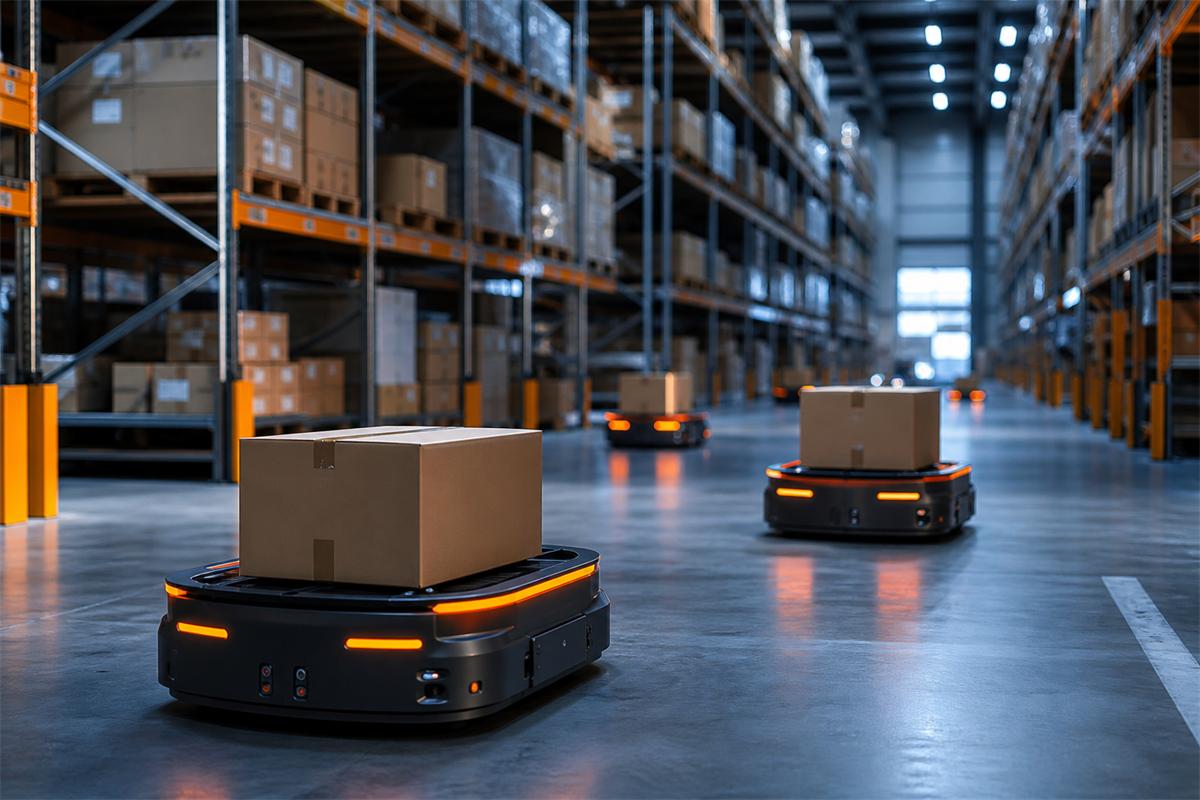
Warehouse robots are no longer only trade-show demos. In ecommerce and cross-border fulfilment, three patterns show up most: AMRs for movement, automated sortation for outbound lanes, and goods-to-person stations. They attack long walking distance, peak labour gaps, and hard-to-trace errors.
AMRs fit mid/large or pallet moves and internal replenishment. They need less full-line rebuild than classic automation, so they are often the first robot investment. Sortation helps when outbound waves concentrate by lane or carrier product, cutting manual pile-sorting.
Goods-to-person flips “people finding stock” into “stock finding people,” which suits high-SKU, low-units-per-order DTC profiles. It also demands cleaner slotting data and putaway discipline — fast robots cannot fix messy location accuracy.
Growing brands do not have to build a robot warehouse on day one. A practical path is partnering with a fulfilment centre that already runs automation or semi-automation for peaks, returns QC, and value-added packing, while the brand stays focused on product and growth.
Judge robotics with three numbers: units out per labour hour, mis-ship rate, and peak temporary-labour cost. If adding people still misses cut-off, or reships from errors are climbing, automation conversations get clearer.