Where AI actually helps inside the warehouse
Vision QC, path suggestions, and exception flags — AI speeds warehouse decisions without replacing the warehouse.
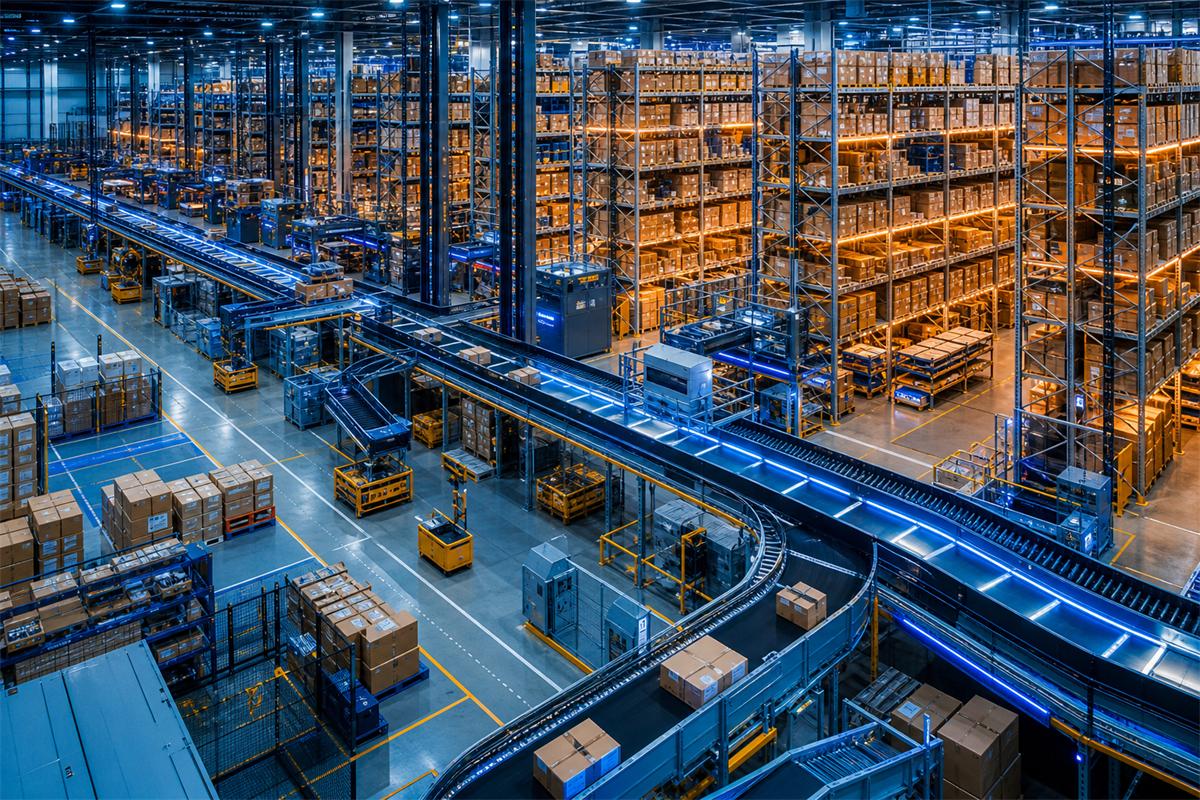
For cross-border brands, AI talk often stays at the surface: chatbots and email drafts. The sharper edge shows up in the warehouse — where stock sits, what to pick first, which orders look risky, and which inbound lots should stay on hold.
On inbound, computer vision already supports appearance checks and label verification against master data, with photo evidence for defects, wrong colour, or wrong codes. For fashion and beauty, that means issues surface before units become sellable — not after a customer review.
On the floor, AI more often shows up as recommendations: pick paths and wave splits based on congestion and cut-off times; automatic holds for weight anomalies, risky destinations, or odd declared values until a human approves. Automation can propose; dispatch should still require sign-off.
For DTC brands that manufacture in China and ship overseas, the win is less hype and more fewer invisible delays: inbound becomes sellable faster, exceptions surface earlier, and support spends less time chasing tracking gaps. Platforms that keep orders, inventory, and exceptions in one view make that usable.
Start with one pain point — inbound QC, risky-order review, or sell-through alerts — and measure error rate, hold handling time, and tickets over four to six weeks before expanding.